Publications
Peer-reviewed clinical case reports
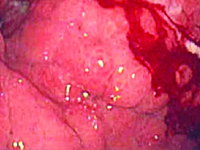
Advanced stomach cancer surgery with complications
SurgeryIn terms of the incidence of malignant neoplasms in Poland, gastric cancer is ranked 5th in men and 9th in women. Poland is one of the countries with an average incidence rate, however, nearly 90\% of cases are diagnosed at an advanced stage, which is due, among other things, to the uncharacteristic symptomatology resembling other stomach conditions - peptic ulcer disease or gastritis. In Poland, early gastric cancer is diagnosed in only 4.5-7% of cases. The 5-year survival rate for all stages is about 10-25\%, with a survival rate of nearly 90\% in early cancer. Among the malignancies found in the stomach, 95\% are adenocarcinomas - adenocarcinomas, while the remaining 5% are lymphomas, sarcomas, carcinomas and stromal tumors.
Intestinal tract obstruction caused by an inflammatory tumor in the course of tuberculosis
GynecologyGastrointestinal tuberculosis was common in the period before the introduction of effective anti-tuberculosis treatment. It occurred in 1/4 of patients with advanced pulmonary tuberculosis. It is now rare in developed countries. In the gastrointestinal tract, intestinal tuberculosis manifests as infiltrates and ulcerations in the intestinal wall, most often in the cecum region. Among the symptoms of intestinal tuberculosis are severe abdominal pain, bloating, constipation, fever, diarrhea, painful stool pushing, pain on defecation. In some cases, there may be obstruction of the gastrointestinal tract due to inflammatory tuberculous tumor.
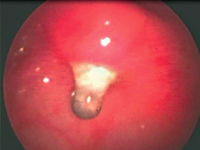
Foreign body in the esophagus and stomach -- atypical clinical course
SurgeryPresentation of an unusual clinical course in the case of a 3.5-year-old child who swallowed a foreign body in the form of several small magnets.
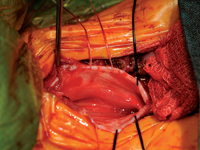
Total Tracheoesophageal Cleft - Case Presentation
Gynecology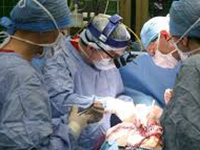

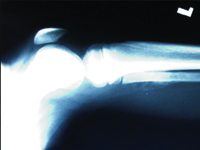
An unusual talent that appeared in Piotr Miszczyk treated for malignant sarcoma
Surgery
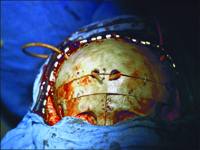
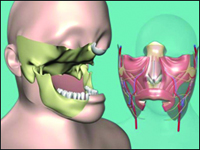
Face transplantation: challenges for the surgeon
SurgeryIn the last 20 years we have developed experimental models of complex allogenic transplantations such as that of limb, face or abdominal wali. In the same time we were cond ucting research on new protocols regarding minimal immunosupression and tolerance in Lransplantology. As a preparation for implementation of those transplants in clinical procedures as a treatment for patients with extensive injuries to the facia! skeleton we havc conductcd a scrics of anatomical simulations imitating a clinical face transplant. In 2004, after o btaining the necessary legal permissions ancl consent from the et hic.al committees, we have created in the Cleveland Glinie, the first program in the world of face transplantation in humans. The result of many years of preparations was a first, almost complete face transplant in the United States in December 2008.