News
131 entries in total

Hemorrhagic shock leading to acute renal failure - the use of continuous renal replacement therapy
Acute non-inflammatory renal failure (ONNN) can follow hypovolemic shock hemorrhagic. Renal replacement therapy techniques, such as continuous veno-venous hemodiafiltration (CVVHDF), are key elements of therapy, leading to improvement in the patient's condition and restoration of the pre-event physiology.

Cataracts in a patient with short-term type 1 diabetes - case report
Cataract is the most common pathological condition of the lens of the eye, consisting of its partial or complete opacity. This pathology can occur spontaneously or on the background of other diseases. Diabetic cataracts rarely affect children, and already to the exceptional rarity are descriptions of cases of appearance of cataracts in children in the first year of the disease. These changes usually regress with the improvement of diabetes compensation.

Variable localisation of rectal tumor: the influence of the tumor's location on the choice of optimal surgical procedure
Surgery is an indispensable part of the combined treatment of people with adenocarcinoma of the rectum. Depending on the location, it takes the form of anterior resection (AR) or amputation (ASAR, resp. APR): the latter type of procedure, performed in patients with low-lying lesions, involves with mutilation in the form of the emergence of a permanent fecal fistula. The decision on the choice of surgery is based on an analysis of studies determining, among other things, the local condition.

An unusual case of true congenital diaphragmatic hernia
Congenital diaphragmatic hernia (CDH) is a rare birth defect with a high mortality rate, resulting from pulmonary hypoplasia and pulmonary hypertension. In order to optimize treatment outcomes prenatal diagnosis is important, providing the opportunity to choose further management.
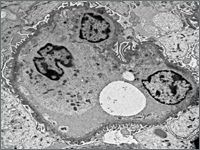
Poststreptococcal Glomerulonephritis in a Girl with Familial Alport Syndrome - Case Report
One of the most common causes of hematuria in children is acute glomerulonephritis. Diseases genetically determined, including Alport syndrome, are among the rarer causes.
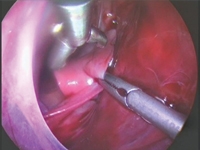
Unilateral lung hypoplasia in a remnant pleural cavity identified via thorascopic approach - diagnostic difficulties
A 2-month-old male infant was admitted to the Department of Pediatric Surgery with a suspected right-sided diaphragmatic hernia. After imaging studies were performed, it was decided to perform thoracoscopy. Intraoperatively, hypoplastic right lung tissue with a residual pleural cavity was found. The analysis of the present case and the diagnostic and therapeutic process carried out is an example that the imaging studies performed do not always allow us to make a correct preoperative diagnosis. Despite performing the examinations recommended in similar cases, making the correct diagnosis turned out to be possible only intraoperatively.

Assessment of nutritional status before surgical procedure
Nutritional therapy is a new and rapidly growing field of medicine. It is widely used in all medical specialties. This article is the first in a series of articles on practical application of knowledge regarding nutritional assessment, qualification for nutritional intervention and guiding nutrient supplementation in medical patients.
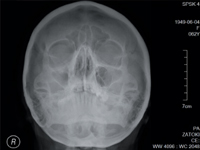
The variety of clinical manifestations of Wegener's granulomatosis as a cause of difficulty in correctly recognizing this disease
Wegener's granulomatosis consists of necrotizing generalized granulomatous Vasculitis. The disease particularly occupies the respiratory tract and kidneys.
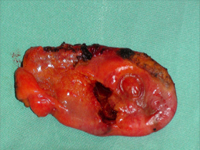
Isolated gallbladder perforation due to blunt abdominal trauma a diagnostic challenge
Gallbladder injuries occur in only 2.1-3.5% of patients undergoing laparotomy for injuries to the abdominal cavity and are almost always accompanied by injuries to other abdominal organs. Isolated injuries to the gallbladder are extremely rare.
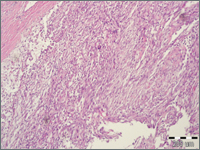
Case report of desmoplastic fibroblastoma in a young man
Fibroblastoma desmoplasticum (collagenous fibroma) is a rare benign soft tissue tumor. So far about 120 cases have been described in the literature. The most common location is the subcutaneous tissue of the extremities and neck. It occurs most often in men, in the fifth and sixth decades of life. It is usually well-demarcated, elastic, slow-growing, non-painful tumor. The treatment of choice is simple surgical removal. Recurrences have not been observed.