News
131 entries in total
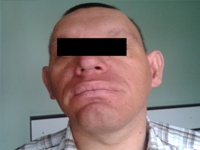
Unusual acromegaly presentation in a patient with osteochondrodysplasia
Acromegaly is characterized by skeletal abnormalities and organ proliferation due to hypersecretion of growth hormone (GH). It occurs with a frequency of 40-70/million. The preferred method of treatment is adenomectomy transsphenoidal.
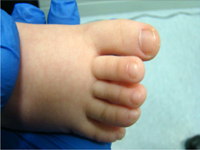
Rubinstein-Taybi syndrome associated with influence of teratogenic factors - diagnostic difficulties
Rubinstein-Taybi syndrome (RTS) is a rare genetic disorder, occurring mostly sporadically and determined by mutations in the CREBBP gene. The predominant symptoms of RTS include the characteristic features of dysmorphic features of the skull, dysmorphia of the fingers and toes, especially the thumbs and toes, intellectual disability intellectual disability, and systemic disorders.
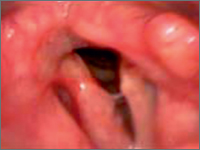
Laryngeal tuberculosis in 64-year old patient
Tuberculosis is a relatively common disease. Its incidence has decreased in recent years due to the the introduction of anti-tuberculosis therapy, increased standards of living and awareness among the population. Primary tuberculosis of the larynx is very rare, more often appearing as a secondary disease in the course of tuberculosis of the lungs. Primary TB accounts for less than 1% of all extrapulmonary forms of the disease. The main symptoms are hoarseness, a dry, irritating cough and a weakened voice.
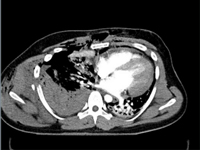
Traumatic injury of the right atrium and the right lung in 24 years participant in a traffic accident
Multi-organ injuries are the third most common cause of death in Poland, and are also the leading cause of death in people under the age of 40. Among surviving patients, up to 40% of the cases of multi-organ injury multi-organ injury is the cause of permanent disability.
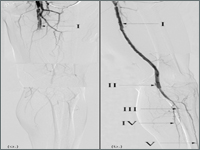
Endovascular treatment of acute limb ischemia - a case report
Acute ischemia is a sudden drop in blood perfusion in a limb causing a potential threat to the viability of the limb. The 30-day amputation rate due to acute ischemia is 10% to 30%, with a mortality rate of 15-20%. For several years, in addition to surgical methods, we have had the option of endovascular treatment of of acute ischemia. The methods used: targeted pharmacological thrombolysis, percutaneous aspiration thrombectomy, percutaneous mechanical thrombectomy and various combinations of these procedures.
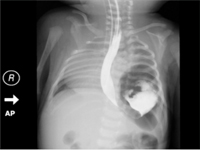
Bilateral congenital diaphragmatic hernia - case report
Congenital diaphragmatic hernia (CDH) is a malformation involving the displacement of viscera into the thoracic region through a pathological opening in the diaphragm, resulting from its abnormal development.

Pregnancy complicated by placenta previa with abnormal placentation
An abnormally implanted placenta previa is one of the leading causes of hemorrhage in the perinatal period, posing a threat to the life of the mother and fetus.

The case of women with HPV infection and her baby was born by caesarean section
In HPV infections, a very important and underestimated clinical aspect is the co-occurrence of lesions in different locations and the ease of transmission between sexual partners. Also of significant clinical importance is vertical infection during pregnancy, which can lead to infection of the fetus. Virus-induced papillomas can develop in any part of the upper and lower respiratory tract as well as in the upper gastrointestinal tract. They most often occupy the larynx, and also develop in the tonsils, trachea, bronchi and lungs, and can also show aggressive growth and undergo malignant transformation.

Liver transplantation for malignant neoplasm. Hepatoblastoma? Hepatocellular carcinoma?
One of the indications for liver transplantation is primary malignancies. Among adults, the most common is hepatocellular carcinoma, while among children embryonal hepatoma predominates. In addition, it has been noted the existence of tumors with intermediate characteristics between the two.

38-year-old patient with cystadenocarcinoma of the liver
Cystadenocarcinoma is a rare malignant liver tumor that arises de novo or from benign lesions of the nature of cystadenocarcinomas. Symptoms are nonspecific and include: pain in the right upper quadrant of the abdominal cavity, a feeling of discomfort or fullness, jaundice, weight loss and are related related to the size of the lesion. The recommended treatment is resection of the lesion along with a margin of healthy tissue.